Exclusive gin deals, for new members

How to Build the Perfect Gin & Tonic at Home
Create the perfect G&T at home with expert tips from Mekong Gin Society, proudly founded in Phnom Penh. Enjoy better flavour, premium gin and bar-quality results.
GIN EDUCATION & TASTING SKILLSCOCKTAILS & MIXOLOGYLIFESTYLE & HOME BAR INSPIRATION
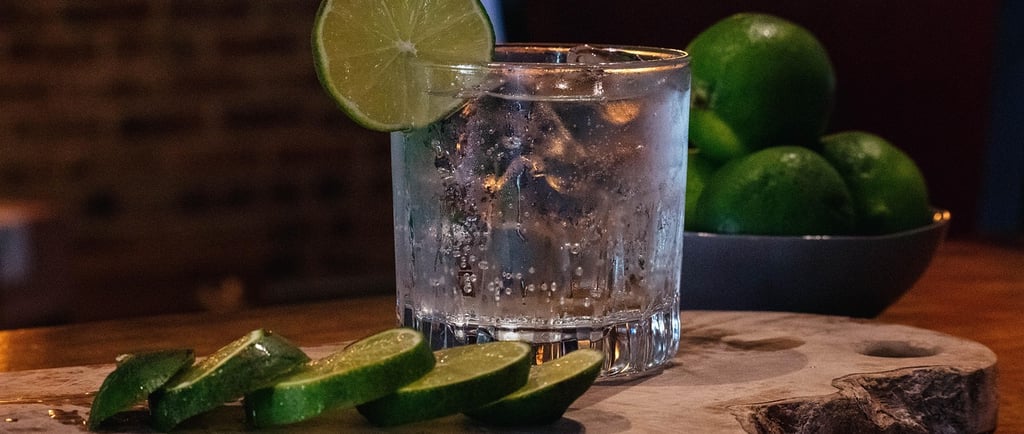
How to Build the Perfect Gin & Tonic at Home
Hello current and future members of the Mekong Gin Society — ready to make a G&T that leaves bar pours jealous? A truly brilliant Gin & Tonic is equal parts simple and thoughtful: the right gin, the right tonic, plenty of clean ice, and a garnish that sings. Best part — at home you can splash out on bottles that bars charge a fortune for, chase rare local distillers, or buy minis to try dozens of styles without breaking the bank. Here’s how to turn your kitchen into a tiny, glamorous gin bar.
Why make it at home (and treat yourself)
Bars mark-up rare and premium bottles heavily — at home you control the pour, experiment without pressure, and get far better value per serve. You can buy limited releases, small-batch Asian or European gins not stocked by local venues, or share a pricey bottle across multiple nights. Home-made G&Ts let you taste subtleties (botanicals, citrus, spice) that get lost when bartenders rush. Treating yourself isn’t wasting money — it’s investing in experiences: slow sipping, curated pairings, and bragging rights.
Or you can if you wish have your own flavour ideas turned into a batch of gin. Send us an email with your ideas.
Ingredients & tools (the basics)
Gin: start with a favourite (classic juniper-forward) plus one adventurous bottle (floral, citrus, spice or regional Asian gin).
Tonic: high-quality bottled tonic water (Indian tonic, Mediterranean tonic, light/diet for low calorie).
Ice: large, clear cubes — they melt slower and keep the drink balanced.
Garnish: lime or lemon peel, grapefruit slice, cucumber, rosemary, cracked pink peppercorns, or fresh herbs.
Glassware: a copa/globe glass or a tall tumbler — space for ice and aromatics.
Tools: jigger (or a measured spoon), bar spoon, peeler/zester, and a fine strainer (optional).
The golden rules (temperature, ratio, & technique)
Chill everything — glass, gin bottle in the fridge, and tonic cold.
Ice first — fill your glass completely with big cubes; stir a few times to chill the glass.
Measure — 50ml gin : 150ml tonic is a great starting point (1:3). Increase tonic if the gin is bold, decrease if it’s delicate.
Pour gently — add gin over the ice, then slowly pour tonic down the back of a spoon to preserve bubbles.
Finish with garnish — twist citrus oils over the glass, clap herbs to release aroma, or float a stylish peel.
Match your garnish to the gin
Classic juniper-forward — lime wedge or lemon twist.
Citrus-heavy gins — grapefruit slice or orange peel.
Floral gins (orchid/rose/lavender notes) — edible flowers or a thin cucumber ribbon.
Spice-forward gins — star anise, cinnamon stick, or pink peppercorns.
Herbaceous gins — rosemary sprig, basil, or Thai basil for a South-East Asian twist.
Tonic matters — pick one with intention
Tonic is not just filler. Indian tonic brings bitter quinine; Mediterranean tonics are lighter and citrusy; “light” tonics reduce sweetness and let botanicals shine. Match intensity: strong gin = bold tonic; subtle gin = delicate tonic. Try mini-bottles of several tonics and keep notes.
Tricks to taste like a pro
Smell first. Cup the glass and inhale before sipping.
Sip, then wait. Let botanicals bloom on your palate.
Take notes. Jot down which gin + tonic + garnish combo you loved — home tasting journals are quietly addictive.
Serve small flights. 25–30ml samples let you compare without getting snoozy.
Four exciting at-home G&T recipes
Classic Phnom Penh — 50ml juniper gin, 150ml Indian tonic, lime wedge, big ice.
Tropical Twist — 50ml citrus gin, 150ml Mediterranean tonic, grapefruit twist + mint sprig.
Smoky Spice — 50ml spice-forward gin, 150ml tonic, star anise + orange peel.
Garden Whisper — 50ml floral gin, 150ml light tonic, cucumber ribbon + edible flower.
How to afford the “too expensive” bottle
Buy smaller formats — 50–200ml “airline” or sample bottles cost far less than full bottles.
Split the bottle — share with friends or members of your club and rotate hosts.
Limited releases online — distilleries often sell direct or ship small-run bottles.
Trade or swap — swap half-bottles with other gin lovers.
Use it sparingly — reserve the big bottle for special evening G&Ts; use a reliable everyday gin for practice.
Storage & care of your precious gin
Keep opened bottles upright in a cool, dark place. Once opened, most gins keep their character for months — refrigeration isn’t necessary but it helps for very delicate floral gins. Mark the date opened if you’re serial-sampling.
Final flourish — host a mini tasting
Gather three gins, three tonics, small tasting glasses, and let guests vote. Pair with salty snacks — roasted cashews, smoked salmon blinis, or crisp chips. It’s an excuse to splash on something rare and to savour it properly.
Join The Mekong Gin Society
Want curated boxes, tasting notes, and access to hard-to-find regional gins? We put the best bottles and cocktail tips in members’ hands — at home tastings included. Treat yourself properly: a great G&T is cheap to make and rich in reward.
Contact
Phone
campbell@mekongginsociety.com
+85586458981
© 2025. All rights reserved. Mekong Gin Society
Telegram