Exclusive gin deals, for new members

How to Taste Gin Like a Connoisseur
6 easy steps to taste gin like a connoisseur. Mekong Gin Society guides you through expert techniques used at our Phnom Penh tasting events.
GIN EDUCATION & TASTING SKILLSCAMBODIA’S EVOLVING GIN CULTUREBOTANICALS & REGIONAL FLAVOURS
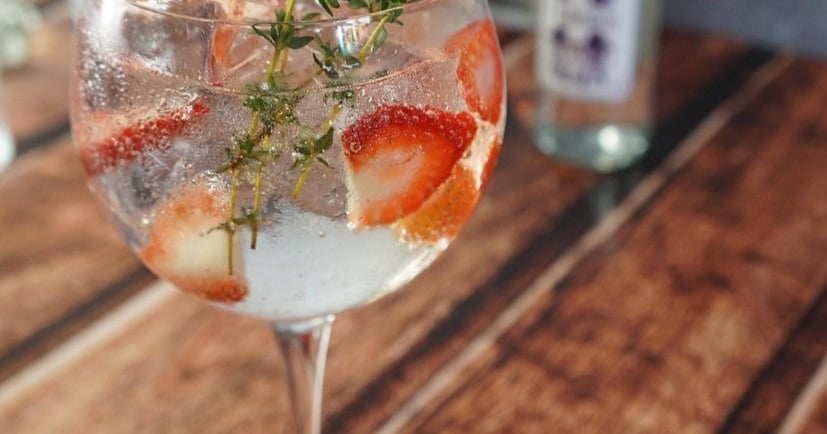

How to Taste Gin Like a Connoisseur
Unlocking the craft, confidence and pleasure behind every sip.
Tasting gin isn’t about pretending to be an expert — it’s about slowing down, paying attention, and allowing the botanicals to speak. At The Mekong Gin Society, we use a simple yet refined tasting method at all our events, helping anyone in Phnom Penh become a more confident and discerning gin drinker. Whether you’re exploring juniper-forward classics, Southeast Asian botanical blends, or our limited wood-matured editions, these steps will elevate your experience every single time.
Step 1: Observe the Aroma Before Anything Else
Start by swirling the glass gently, then bring it to your nose with intention. Avoid breathing in sharply — instead, take soft, measured sniffs.
You should pick up layers:
The crisp pine of juniper
Bright citrus or Kaffir lime
Floral notes like jasmine or lotus
Spices such as Kampot pepper or galangal
A connoisseur understands that aroma reveals the gin’s personality long before the palate does.
Step 2: Sip Slowly and Let It Settle
Your first sip should be tiny. Let it rest on your tongue for a few seconds. This warms the spirit and releases its complexity. Don’t rush — finesse is the goal.
As you taste, note:
Sweetness or dryness
Citrus sharpness
Herbaceous depth
Spice warmth
Floral softness
Premium gins are crafted in layers. Your job is simply to notice them.
Step 3: Notice the Texture and Mouthfeel
A high-quality gin has presence. It may feel silky, crisp, oily, or dry. Wood-matured gin, for example, often delivers a velvety texture that lingers beautifully.
Understanding mouthfeel is one of the hallmarks of refined tasting — it separates casual sipping from true appreciation.
Step 4: Explore the Finish
After swallowing, pause. A quality gin lingers. You might notice a warm pepper note, fading citrus, or a soft floral echo. The finish tells the story of craft and botanical balance.
This is where many Southeast Asian gins shine, especially those using Kampot pepper, lemongrass, or pandan.
Step 5: Add a Drop of Water or Ice — Then Compare
Even connoisseurs adjust their tasting. A small splash of water or a cube of premium, slow-melting ice can open up hidden layers.
Textures soften, aromatics expand, and delicate botanicals emerge more clearly.
This is why our members swear by high-quality ice — it changes everything.
Step 6: Taste Again With a Mixer
A true evaluation includes trying the gin in context. With tonic, soda, or even a splash of citrus, the spirit behaves differently.
This step shows how the gin performs in real cocktails, not just neat.
Why Tasting Matters
Tasting with intention helps you appreciate rare bottles, discover your preferences, and ultimately elevate your lifestyle. It gives you the confidence to build a better home gin shelf, order more thoughtfully at bars, and understand the craft behind premium distillation.
At The Mekong Gin Society — proudly founded in Phnom Penh — we guide members through this process at every tasting event. You don’t need snobbery; you need curiosity, good technique, and a willingness to savour.
One sip at a time, anyone can become a connoisseur.
Contact
Phone
campbell@mekongginsociety.com
+85586458981
© 2025. All rights reserved. Mekong Gin Society
Telegram